Power & Utilities
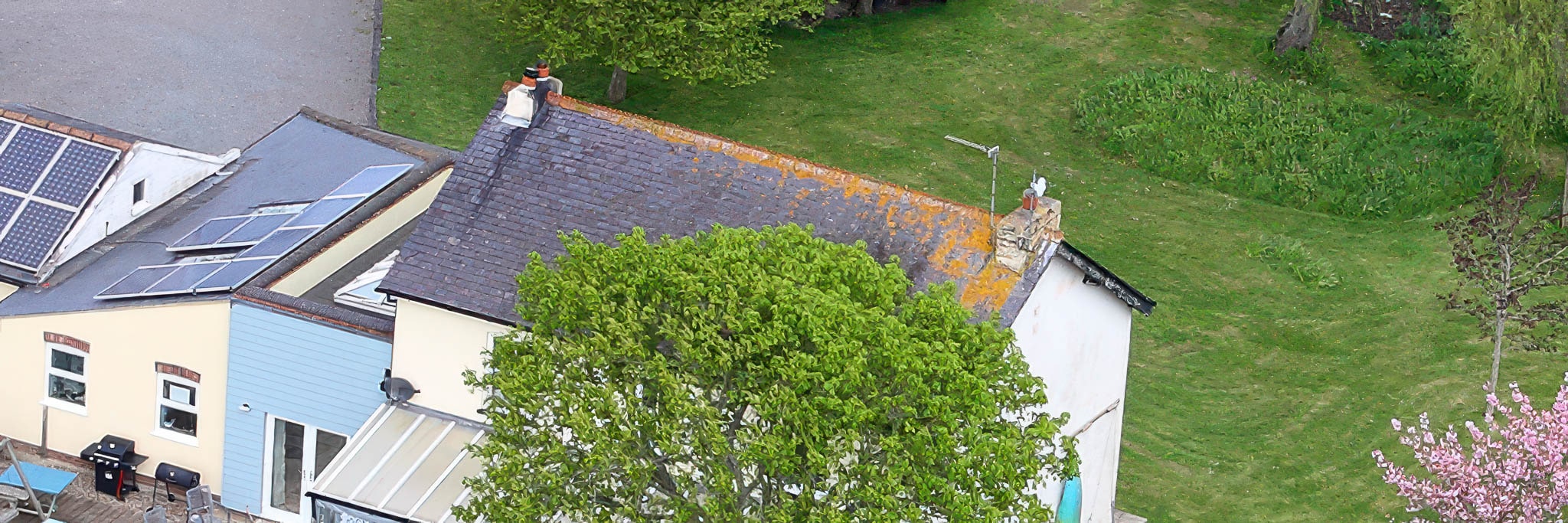
Manor Farm House is off-grid by design. When we arrived in 2005 the inherited system wasn't up to the job, so we built something that is: a 6kW wind turbine for the windy months, 4kWp of solar for the bright ones, and a diesel generator as backup. Twenty years on, it works beautifully.
In 2006, after extensive research, we installed a 6kW Proven Wind turbine, a large battery bank, and SMA control equipment.
Broadband
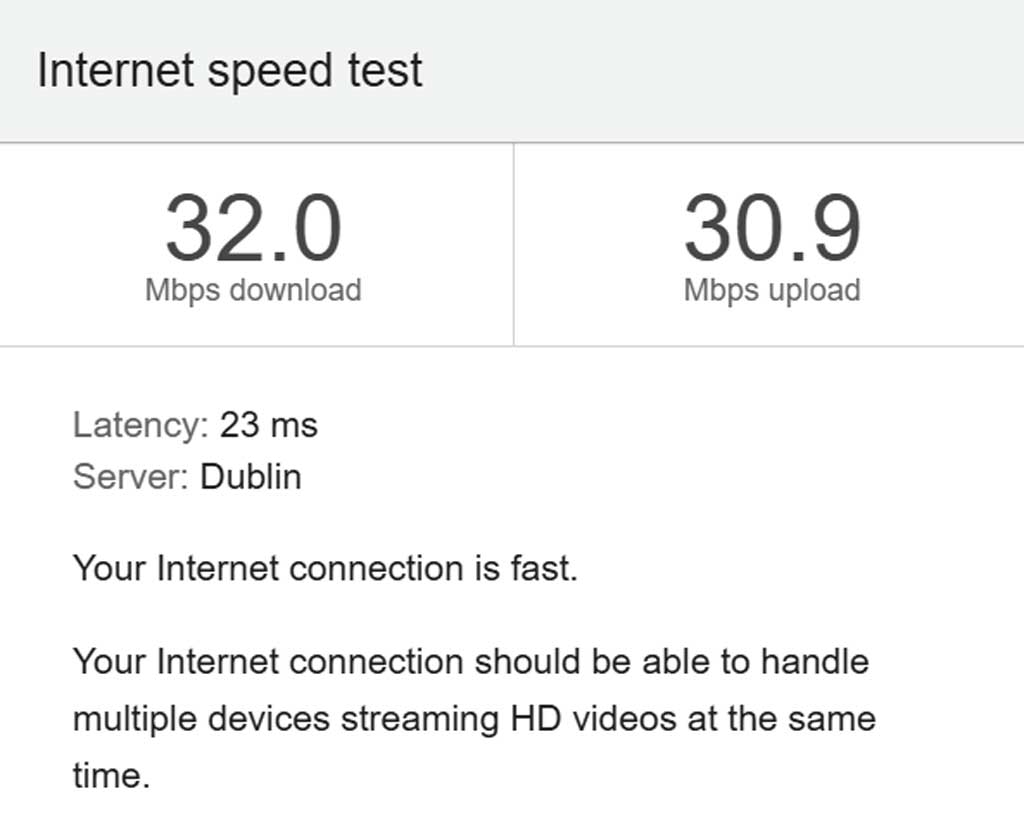 Manor Farm House has fast, reliable broadband. As of May 2026, our connection delivers 32 Mbps down and 30.9 Mbps up with 23 ms latency — symmetric, low-latency speeds that comfortably handle Zoom, Microsoft Teams, Google Meet, Cisco Webex, HD streaming on multiple devices, and the demands of running a business from home. It's not fibre, but in everyday use it performs better than many fibre connections, particularly on upload.
Heating
Manor Farm House is heated by an LPG-fired boiler serving wet underfloor heating in the extension and radiators in the original house. The two zones have separate controls. Domestic hot water is held in a large pre-heated tank, supplemented by the immersion heater when the diesel generator runs (the immersion is wired to the generator output, so a generator run produces hot water as a useful by-product). On sunny or windy days, surplus renewable generation can also be diverted to the immersion for effectively free hot water.
People often ask whether running an off-grid home makes financial sense. After twenty years of keeping detailed records, we can give an honest answer — and the answer is yes, comfortably. We have no electricity bill, we generate a meaningful tax-free income, and our running costs are well understood and predictable.
Manor Farm House sits about a mile down a private lane, accessed from Stone Road in Halvergate. The first half is metalled (council-maintained, ordinary tarmac); the second half is an unmade track that runs through working marshland.
The lane is shared with the farmers who graze cattle and sheep on the surrounding marshes — among them members of one of the families who have farmed here for generations. There is a pair of steel gates at the boundary between the metalled road and the track, which the farmers occasionally close when moving livestock; you simply open and close them as needed. Wooden gates at the entrance to our driveway work the same way. Living here means living alongside a working marsh in active use — we enjoy watching the cows walk up and down the lane past our gates.